Clinical workflows in diagnostic imaging constantly balance soaring patient scan volumes with uncompromising demands for exactitude. Traditional diagnostic pipelines relied on linear, sequential frameworks where technologists captured radiographs, computed tomography scans, or magnetic resonance images, routing raw files directly into manual reading queues. While this baseline methodology ensured thorough evaluations, escalating workloads and regional specialist shortages frequently created administrative logjams, extending reporting turnaround times and delaying urgent patient interventions across diverse healthcare environments.
Integrating artificial intelligence with advanced digital architecture fundamentally alters this landscape. Across expansive networks such as Krsnaa Diagnostics, machine learning models operate as supportive analytical frameworks. They optimise study distribution and maximise diagnostic efficiency through complex teleradiology channels. Transitioning from physical film storage toward cloud-based Picture Archiving and Communication Systems enables secure, instantaneous transmission of standardised DICOM datasets from distant acquisition sites to centralised interpretation hubs. Encrypted files upload immediately to secure repositories post-acquisition. This permits urgent trauma examinations to undergo expedited processing that satisfies rigorous service level agreements and acute care windows. Concurrently, seamless integration with Radiology Information Systems guarantees that attending physicians receive fully authenticated clinical reports without administrative delays.
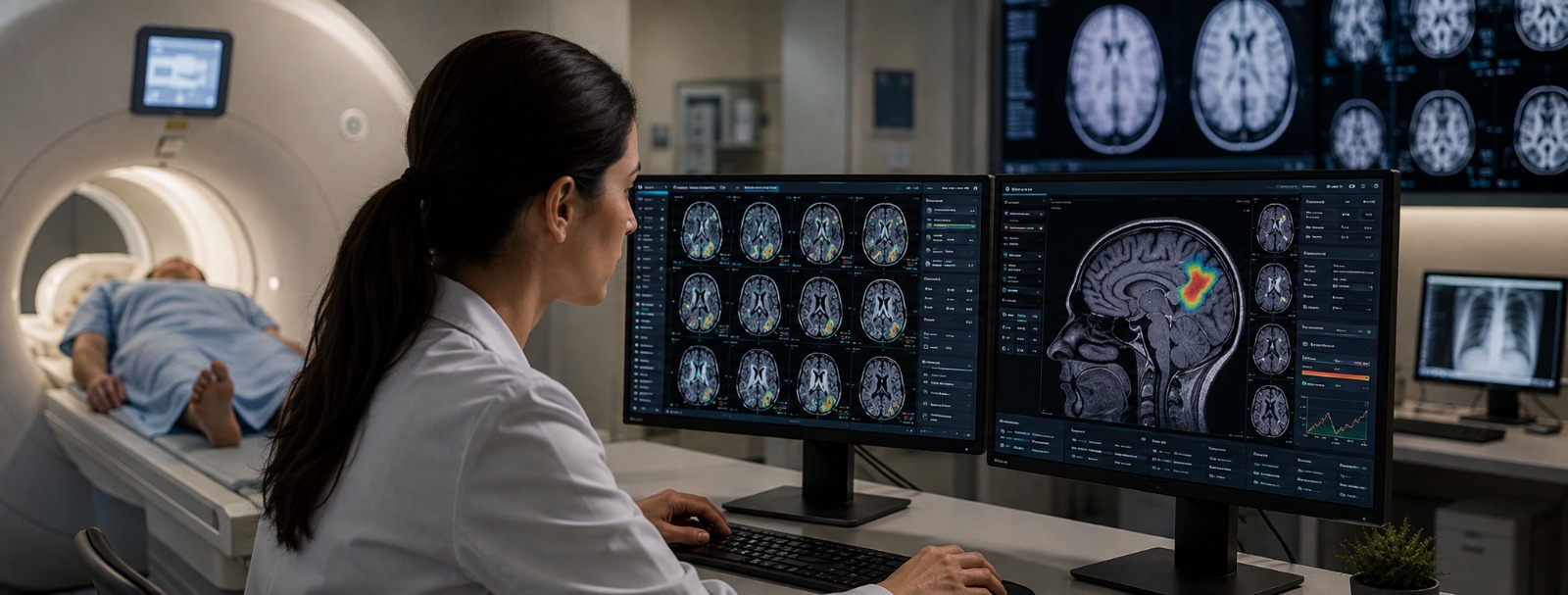
Specialised computational algorithms assist diagnostic teams further by evaluating incoming imaging studies instantly for subtle structural abnormalities across radiography and computed tomography modalities. Advanced neural networks analyse datasets to identify acute pathological findings. These include non-displaced skeletal fractures, focal pulmonary opacities, or acute intracranial haemorrhages. Rather than adhering strictly to chronological queuing, intelligent software dynamically prioritises critical cases, routing urgent examinations past standard backlogs. Simultaneously, complex neurological or oncological scans are directed automatically to designated subspecialist clinicians based on specific anatomical parameters. Quantitative volumetrics tools additionally provide clinicians with reproducible measurements of tumour dimensions and cardiac parameters across successive scans, improving ongoing disease monitoring.
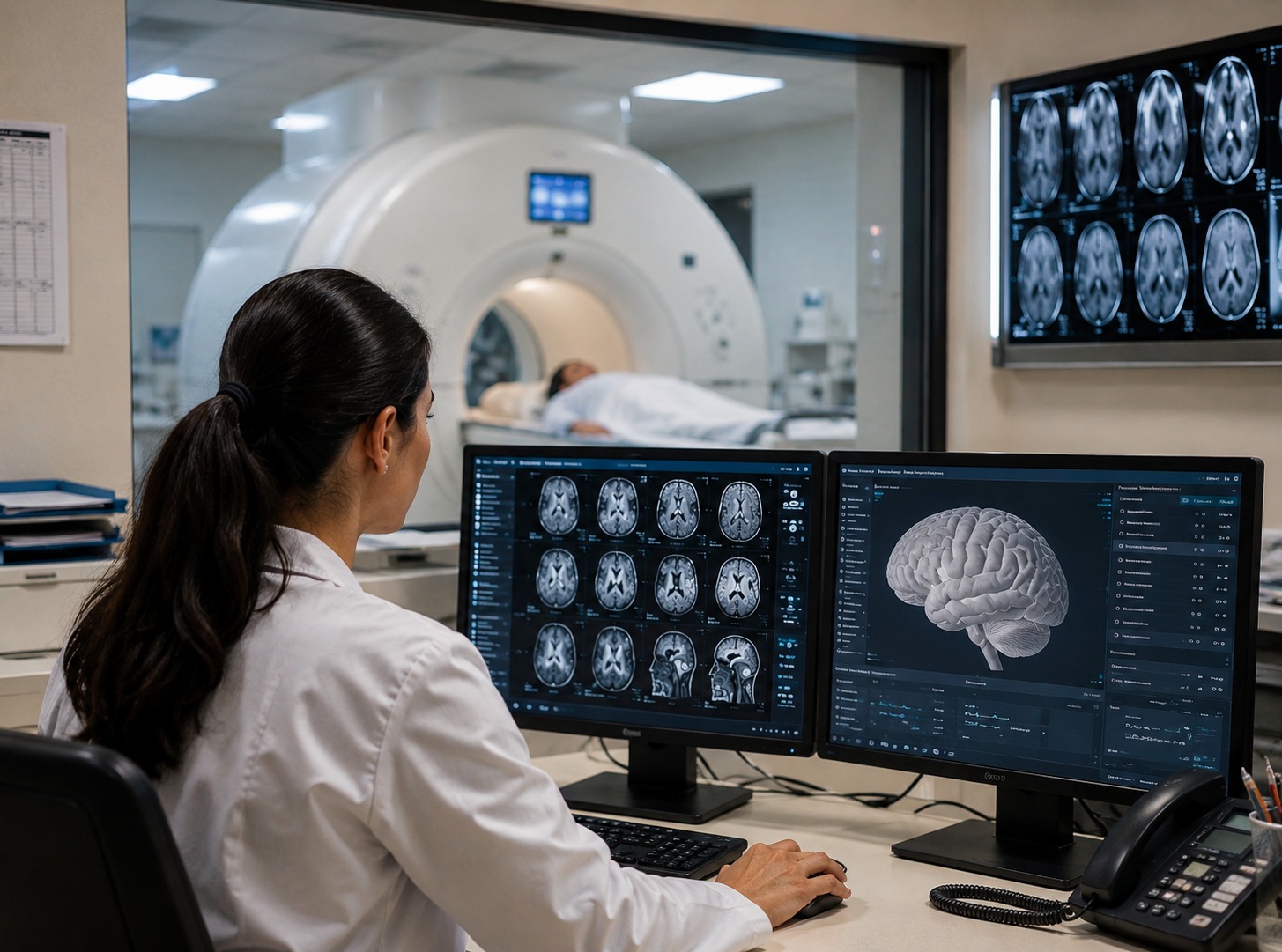
Despite these rapid computational capabilities, machine learning tools function strictly under mandatory human oversight. Diagnostic accountability, clinical interpretation, and legal liability remain permanently vested in qualified medical professionals. Every study processed through an automated workflow requires formal authorisation and final verification by an attending radiologist. This collaborative hybrid model marries machine processing velocity with the nuanced judgment of experienced clinicians.
It safeguards diagnostic accuracy while reducing cognitive strain during demanding clinical shifts. Ultimately, integrating advanced imaging infrastructure with artificial intelligence establishes new benchmarks for diagnostic reliability, ensuring critical patient data reaches treating physicians swiftly across India today and into tomorrow.
Furthermore, expanding diagnostic infrastructure enables facilities to bridge persistent healthcare delivery gaps between metropolitan medical centres and remote community hospitals. As patient populations continue to grow, maintaining consistent reporting standards across multiple geographic locations remains paramount for modern healthcare networks. By combining high-speed digital teleradiology platforms with intelligent software sorting, diagnostic providers successfully eliminate regional disparities in specialist access. This comprehensive integration ensures that every patient, regardless of physical location, benefits from prompt, highly accurate diagnostic evaluations delivered by leading clinical experts every single day across our nation.