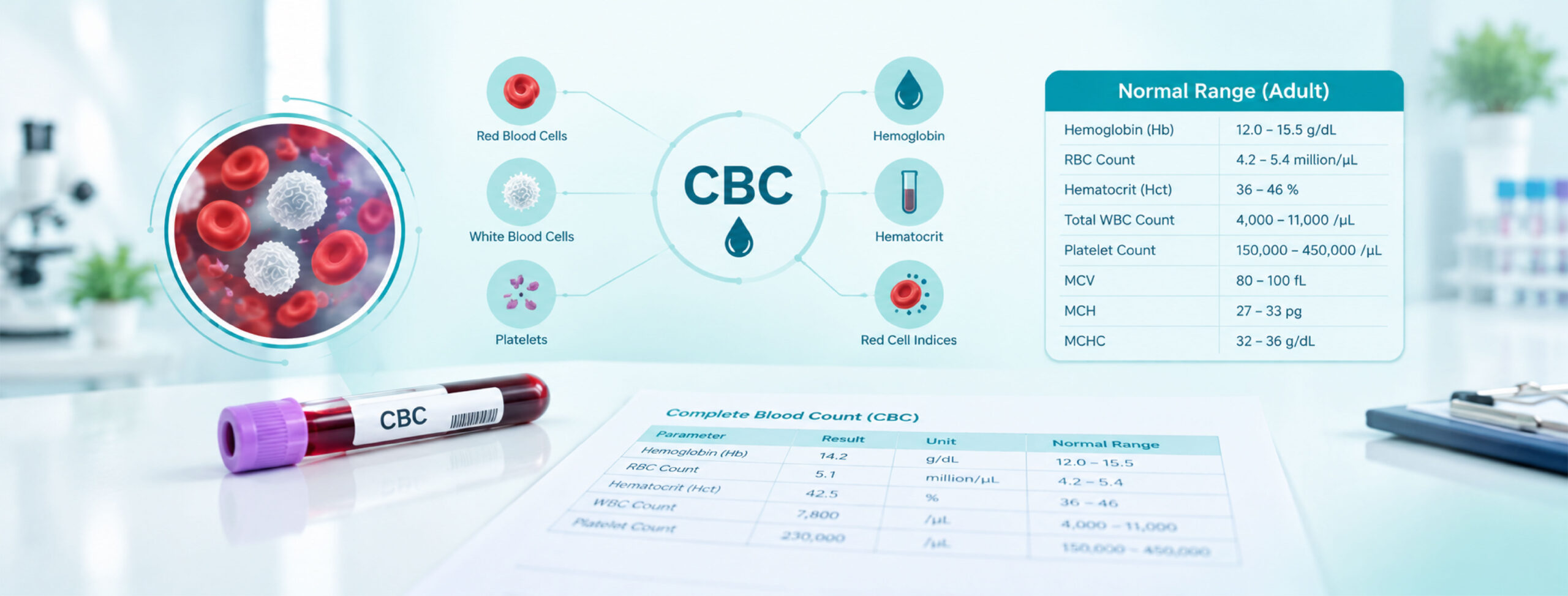
Clinical diagnostics operate entirely out of sight for most patients. The experience usually ends right after sample collection, followed days later by an electronic report filled with values and reference ranges. The intermediate steps, however, rely on rigorous industrial engineering rather than traditional bench chemistry. Modern laboratories integrate advanced robotics and strict digital tracking to guarantee analytical accuracy, starting with home sample collection quality. The sheer volume of modern medical testing demands infrastructure capable of eliminating human error.
Advanced cold-chain technology and digital tracking ensure home-collected samples maintain analytical reliability.
1. Total Laboratory Automation (TLA)
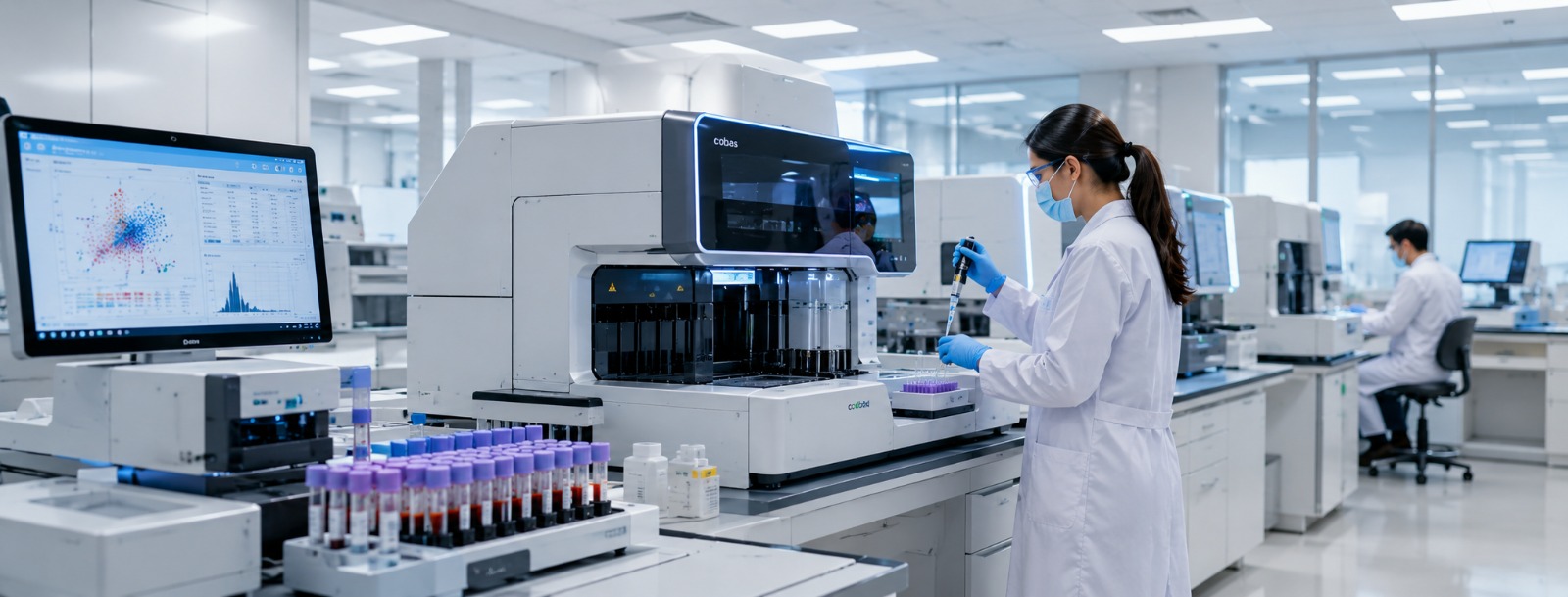
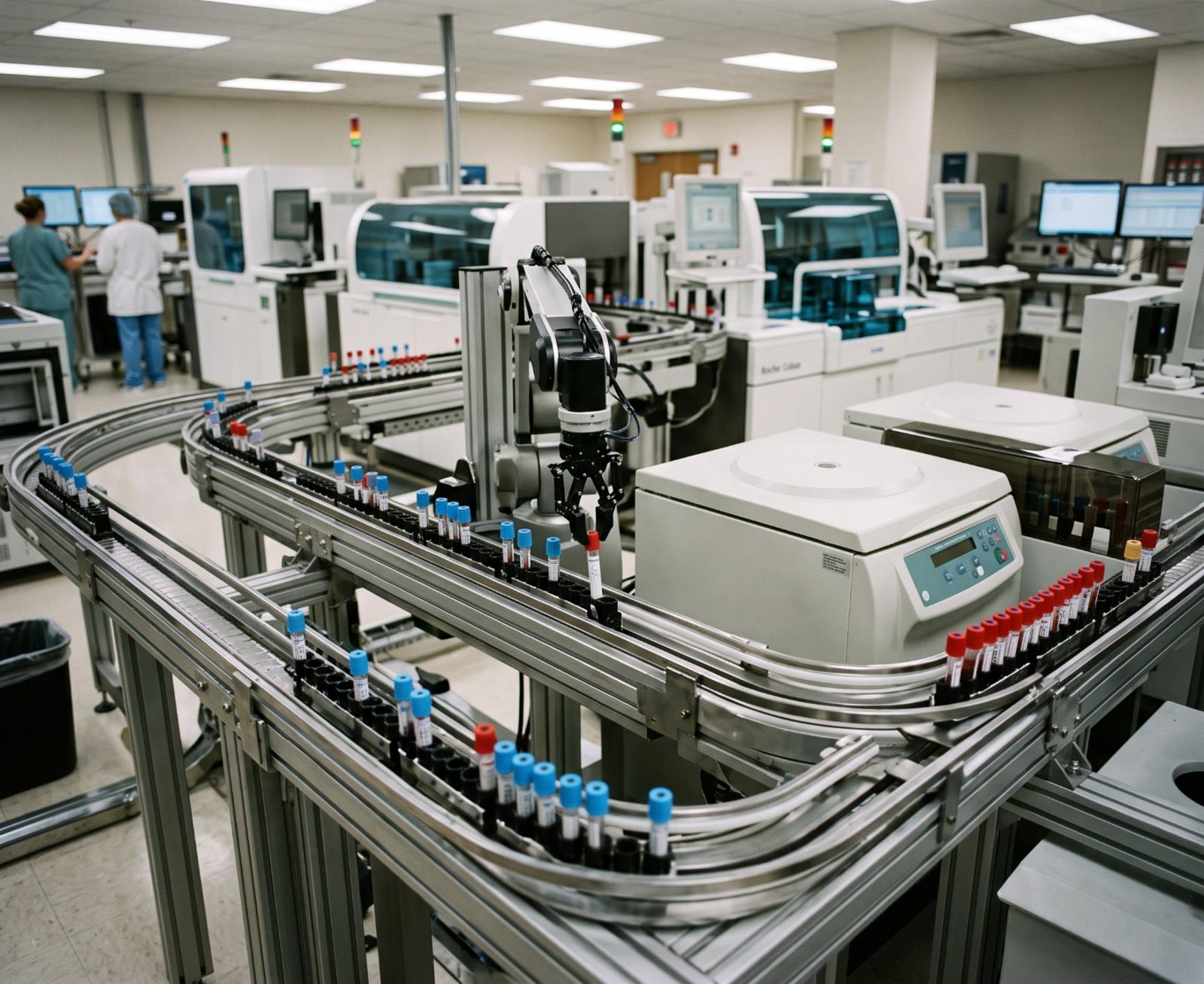
Total Laboratory Automation (TLA) serves as the core infrastructure for high-volume testing facilities. Decades ago, technicians handled every single tube. They sorted batches, operated manual centrifuges, and physically removed caps. That manual era is largely obsolete.
Integrated track networks now transport specimens across the lab floor autonomously. Optical scanners read incoming barcodes in milliseconds.
The track routes these tubes to high-capacity centrifuges to separate serum from cellular matter, uncapping them automatically. This shift drastically cuts processing times. Crucially, removing human touchpoints early on prevents mislabeling and protects staff from repetitive strain.
2. High-Throughput Analysers and Robotic Precision
Prepared samples proceed directly to multi-channel analysers. These chemistry and immunoassay platforms are highly complex. They execute dozens of distinct tests simultaneously, requiring only microliters of fluid.
Inside the chassis, robotic arms dispense exact reagent quantities into individual reaction wells. Highly sensitive optical detectors then measure the resulting light absorption or fluorescence. The hardware self-calibrates constantly. By running internal quality control blanks alongside actual patient samples, these machines ensure the analytical reproducibility remains exceptionally high. The speed of these mechanical systems allows facilities to manage massive regional testing demands without sacrificing microscopic precision, safeguarding diagnostic lab specimen integrity from receipt to analysis.
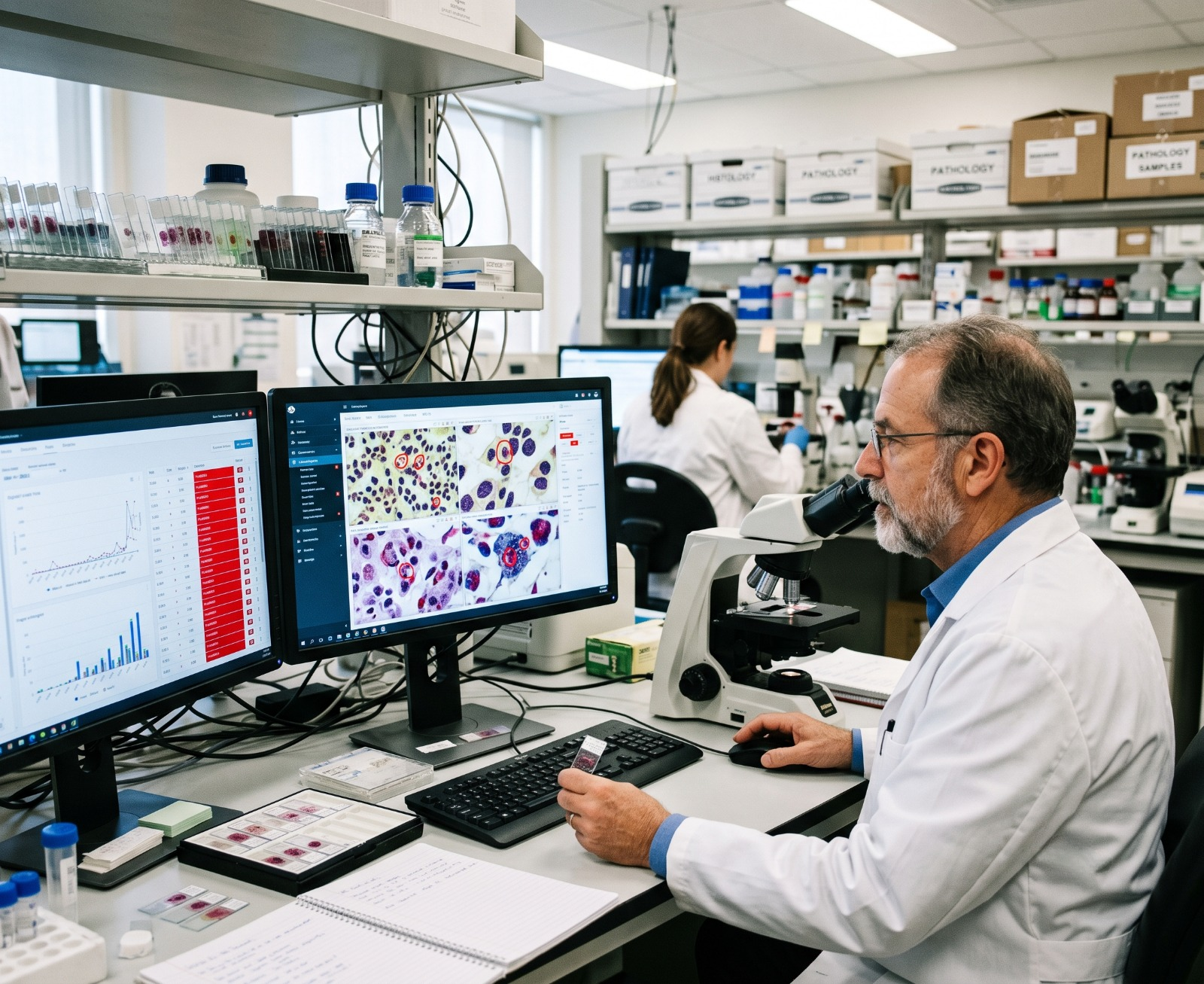
3. Artificial Intelligence and Automated Flagging
Generating raw data is only the first step. High-volume labs produce massive datasets hourly, making manual review highly impractical. Laboratory software applies algorithmic logic to evaluate this output instantly.
If a specific diagnostic result falls outside established reference intervals, the system reacts immediately. It flags the anomaly.
Sudden, unexplained shifts in a patient’s historical data trigger similar alerts, automatically routing the file to a senior pathologist for manual review. Additionally, digital pathology systems scan biological smears, isolating abnormal cellular structures for final professional validation.
4. Seamless LIS Integration and Traceability
An accurate diagnostic test is useless if it gets linked to the incorrect medical record. To prevent this, facilities rely on Laboratory Information Systems (LIS) that sync directly with hospital electronic health records.
Diagnostic instruments transmit numerical outcomes straight into digital patient files. Manual transcription is entirely bypassed. This eliminates clerical data entry errors. Beyond data transfer, the software monitors environmental conditions. It tracks storage temperatures and chemical inventory continuously, ensuring operations meet strict international accreditation standards.
The Precision Behind the Report
Modern diagnostic reliability depends on layered engineering. Robotics, high-throughput platforms, and automated oversight function together seamlessly. They successfully convert biological specimens into actionable clinical data.