

An MRI scan uses magnetic fields to capture internal organ details. Full body scans review multiple body parts in one session. People schedule this checkup to find hidden medical problems early. Price points are not uniform nationwide. Different variables adjust the total bill at checkout.
Factors That Affect the Pricing
Diagnostic facilities buy varying imaging machinery. Advanced scanners using higher magnet power generate sharper images but carry steeper operation fees. Geographic setup changes final pricing. Cities with massive overhead costs show higher base rates than small rural locations. Private corporate medical systems charge premium rates compared to standalone imaging laboratories.
Certain prescription protocols demand medical contrast dye. This fluid goes into the veins to show clearer tissue borders. Adding dye always pushes overall costs higher because processing materials require extra funding. The experience level of the reading radiologist also impacts total operational billing. Complex multi-organ scans require extensive analysis time by qualified senior specialists, which drives up medical reporting overheads.
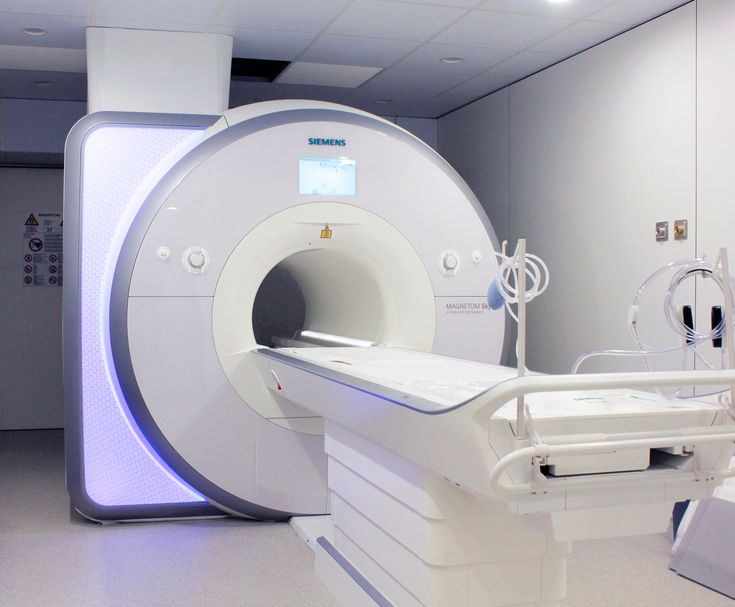
Certain prescription protocols require the use of medical contrast dye. This specialized fluid is administered into the patient’s veins to highlight tissue borders with greater clarity, enabling radiologists to detect abnormalities more accurately. However, the addition of contrast dye significantly increases the overall cost of the scan. The processing materials, additional preparation, and monitoring required for contrast-enhanced studies demand extra resources and funding.
Furthermore, machine-generated models dictate technical pricing. Older scanning models require patients to stay inside the tight tube for longer periods. Newer open-architecture scanning machines accommodate claustrophobic individuals much better, but these machines require massive capital investments from the clinic. Consequently, scheduling a scan on an open-architecture or high-speed machine adds an extra financial layer to the hospital invoice.
Cost Expectations and Inclusions
Diagnostic networks determine the pricing scales. Simple full body screening begins at an entry baseline in certain public-private setups, whereas comprehensive hospital packages scale into premium pricing ranges. Patients must confirm plan details before scheduling. Specific centres bundle clinical reviews or routine blood diagnostics inside the baseline screening cost. Other facilities request separate payments for processing physical films or providing certified medical reports. Checking online catalogues clarifies hidden expenses before making an appointment.
When examining complete wellness packages, consumers frequently encounter vast differences in administrative processing inclusions. A standard baseline scan might strictly include cross-sectional imaging of major areas like the brain, spine, and abdomen. More thorough diagnostic packages add dedicated peripheral screenings for joint health, screen pelvic regions deeply, or append automated cardiac imaging structures. Every extra anatomical view added onto the technician’s tracking sequence demands more time under the magnets, which shifts the final cost into a much higher bracket.
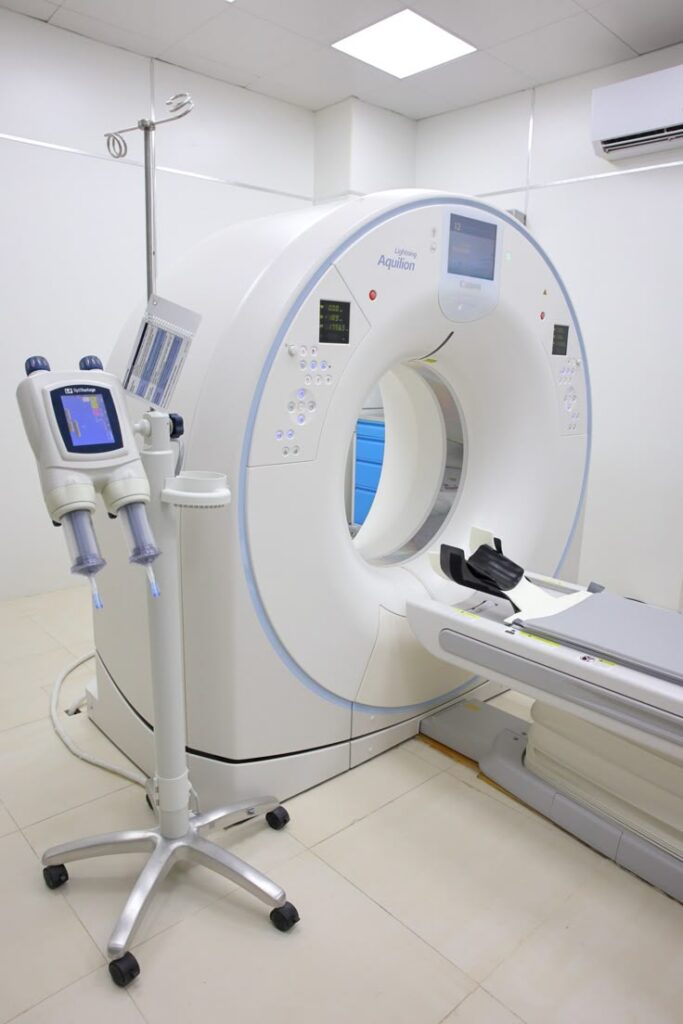
the type and age of the scanning equipment also play a crucial role in determining technical pricing. Machine-generated models and protocols dictate the base cost. Older scanning machines often require patients to spend more time inside the scanner, while newer, high-end equipment may command premium pricing due to superior image quality and faster processing times.This extensive interpretation time adds to the medical reporting overheads and contributes to higher operational billing.
Insurance coverage policies create another variable for out-of-pocket expenses. Standard health indemnity policies in the country usually classify preventive full-body diagnostic imaging as an out-of-pocket screening expense rather than an inpatient medical necessity. However, when an active treating physician formally requests extensive multi-organ scanning due to an emergency or a documented chronic ailment, certain corporate policies or advanced medical riders might reimburse a portion of the procedural fees. Clarifying these specific policy definitions directly with corporate insurance desks before entering the scanning room helps eliminate unexpected personal financial liability.