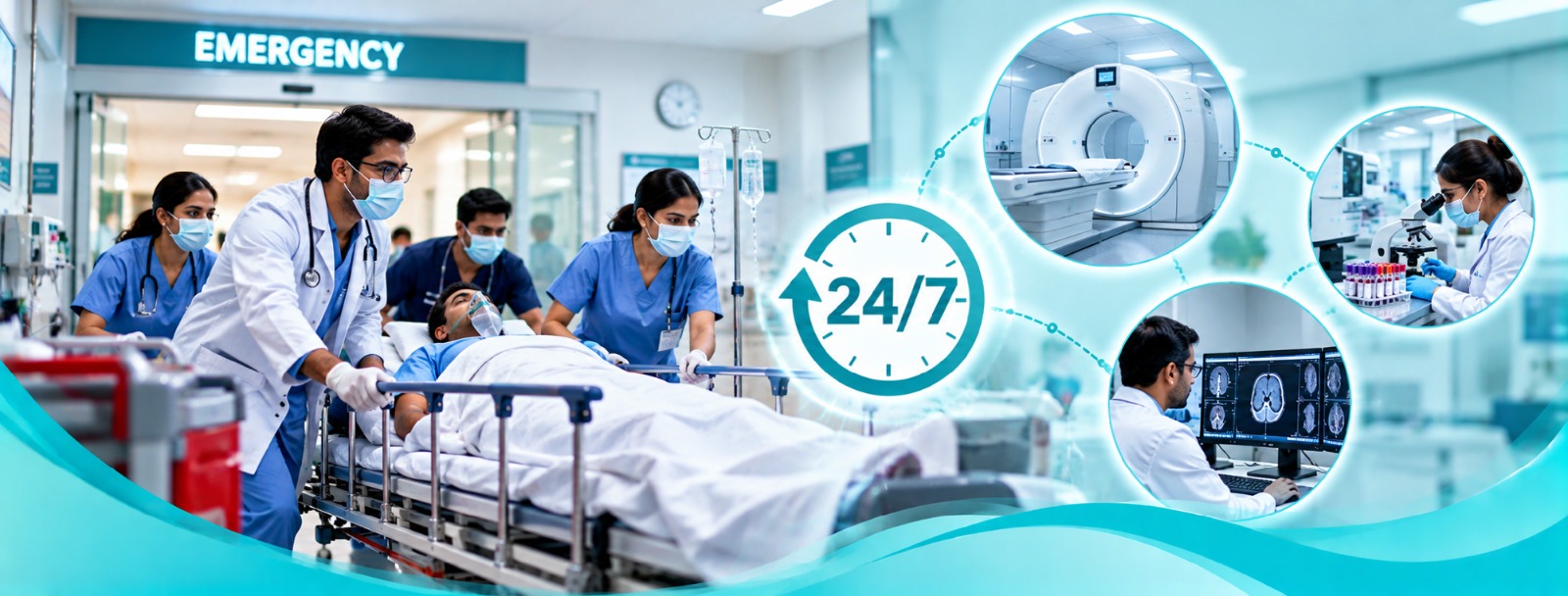
Every second can decide whether a person survives or suffers long-term damage. In cases of serious trauma, heart issues, strokes and severe infections, having access to diagnostic services means that you can make informed life-saving decisions. Having 24/7 access to diagnostic services, such as CT scans, ultrasounds and blood tests, means you can save lives through quick and accurate diagnosis.
Speed saves lives
In cases of time-sensitive issues, such as strokes, internal bleeding, major abdominal trauma and heart attacks, it is essential that they are diagnosed quickly. If they are not diagnosed quickly, they can cause permanent damage to the tissues and organs. Being able to get a diagnosis quickly means that the medical team can identify any life-threatening issues quickly within the golden hour. This means that doctors can quickly provide targeted treatments.
Key elements of 24/7 diagnostic services
Having full 24/7 diagnostic services in place means you have the following:
- Fast CT scanning: CT scanners can give detailed images of the brain, internal bleeding, complex fractures and lung embolisms with little wait time. POCUS – Ultrasounds can be used to quickly identify any internal fluid build-up, organ damage and cardiac issues in trauma patients.
- Blood tests: Immediate blood tests can be carried out for cardiac enzymes (Troponin and CK-MB), full blood count (CBC), arterial blood gas (ABG) and coagulation. This gives detailed information on how the body is metabolising, oxygenating and perfusing.
- Digital Radiology: Scans can be sent to calling duty radiologists using DICOM with the help of RIS-PACS systems. This means scans can be interpreted quickly with a specialist report within minutes.
Why it is important to have 24/7 diagnostic services
Having 24/7 imaging and blood tests in place means there will be no delays in diagnosis.
- Quick diagnosis – Doctors can quickly identify whether the patient has had an ischaemic or haemorrhagic stroke. This means that they can safely give them thrombolysis or refer them for urgent neurosurgery.
- Surgery – Patients can be prepared for surgery quickly through clear imaging from fast CT scans. Trauma, General, and Thoracic surgeons can prepare for surgery.
- ICU & CCU – ICU and CCU units rely on having blood tests throughout the day to see how the body is responding to the emergency treatment.
Reduce errors and readmissions
Having a continuous diagnostic service reduces any confusion. Doctors can quickly get clear interpretations from scans and detailed blood tests. This reduces the chance of any mistakes being made.
Fast tests can be carried out to provide accurate baseline readings for critically ill patients. As the body can change rapidly in critically ill patients, you can monitor changes in biomarkers such as lactate (septic shock) and cardiac troponin (acute coronary syndrome). This helps the medical team to provide the best treatment possible. This ensures patient safety and reduces the risk of early discharge.
Conclusion
Having 24/7 emergency diagnostic services is a key aspect of modern healthcare. By having rapid imaging and instant blood tests, emergency healthcare centres can provide quick and accurate diagnosis.