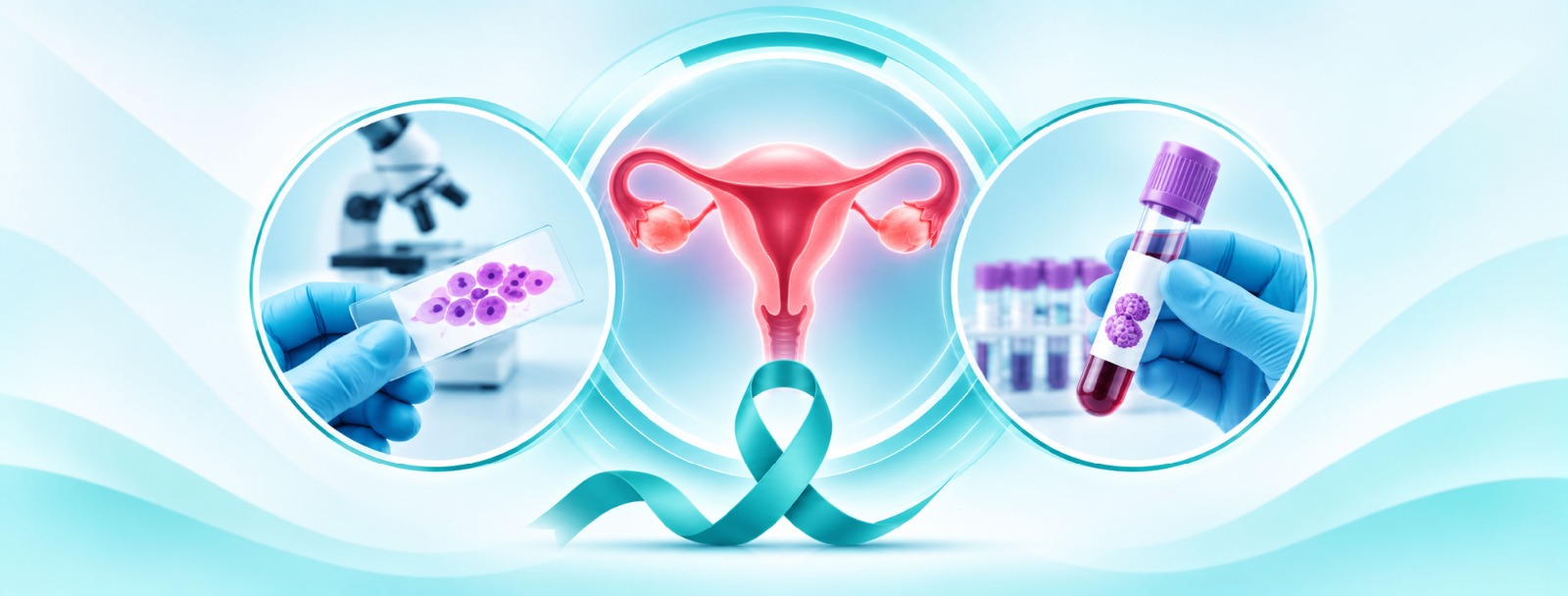
Having cervical cancer screening tests regularly is an effective way to prevent cervical cancer. As cervical cell changes can occur slowly over many years, regular screening can identify any abnormal cells or infections at an early stage. When having preventative female health checks, patients will often be offered a Pap smear and/or HPV testing. Knowing what each test involves, what it checks for, and which one should be undertaken can allow you to make the most informed decision with your doctor.
What is a Pap Smear?
A Pap Smear (or Pap Test) is a test used to check for abnormal and cancerous cell changes in the cervix.
How does it work?
Sample Collection: During a brief pelvic examination, a small brush/ spatula is used to collect cells from the surface of the cervix. This process is quick (usually a few minutes) and causes little discomfort.
Lab analysis: The collected cells will be examined by pathologists under a microscope. Abnormal cell shape, inflammation, or pre-cancerous cell changes (Dysplasia) may be identified. Conventional Cytology or liquid-based cytology may be used.
Why is it useful? Early identification of abnormal cells in the cervix means that patients can be monitored/treated quickly, preventing invasive cervical cancers.
What is HPV Testing?
HPV testing checks for DNA or mRNA belonging to high-risk strains of Human Papillomaviruses. These viruses are very common and cause almost all cases of cervical cancer.
How does it work?
Sample Collection: A sample from the cervix is taken in exactly the same way as the Pap Smear. In modern laboratories, it is common to carry out Pap smear and HPV testing from the same liquid-based cervical sample.
Lab analysis: Molecular methods are used to identify if high-risk strains of HPV are present in the cervical cells (for example, HPV 16 and HPV 18). This can identify HPV in cervical cells even before abnormal changes in cells occur.
Why is it useful? If persistent high-risk HPV infections are found, doctors will be made aware to monitor cervical cells more closely. This provides an early step in prevention.
Differences between Pap smear and HPV testing
Although both tests aim to prevent cervical cancer, the differences between them are:
What they detect: Pap smears detect abnormal/cancerous cell changes in the cervix. HPV testing detects the presence of high-risk human papillomavirus, which could lead to cell changes in the cervix in the future.
When they detect: HPV testing allows detection of viral risk before abnormal cell changes occur. Pap smears detect if abnormal cell changes have occurred.
Frequency of tests: If an HPV test comes back negative, there is a very high confidence that the risk of cervical cancer in the short term is low. Therefore, HPV testing can be carried out every 5 years as a primary test. If only a Pap smear is undertaken, it should be carried out every 3 years.
Co-testing
Sometimes, both tests are carried out on the same sample. This provides complete screening for both cell changes and viral infections every 5 years.
Recommended screening tests depending on age.
Depending on age and medical history, different screening tests are recommended.
Ages 21-29: Generally, Pap smears should be carried out every 3 years. As HPV infections are very common in females aged 20s, and usually resolve on their own without causing damage, cytology (Pap smear) is preferred.
Ages 30-65: Three effective options are available to patients:
- Primary HPV Testing every 5 years
- Co-testing (Pap smear and HPV) every 5 years
- Pap smear alone every 3 years
Over the age of 65. If a patient has had regular, normal results for the past 10 years, and has not had serious pre-cancerous cervical changes, they may be advised by their doctor not to have regular screening.
At higher risk. If you have a compromised immune system, HIV or have had pre-cancerous cervical changes (that have been treated), you may be advised to have more frequent screening at any age.
Preparation for screening
To obtain clear and accurate results from cervical samples, please follow the below guidelines.
Avoid during periods: It is best to have the test 10-20 days after the first day of your last period. Do not have this test on days when you are on your period.
Avoid vaginal products: Do not use products like creams, douches, spermicides or tampons for at least 48 hours before the test, as it can cause cervical cells to be washed away.
Avoid sexual activity: 24-48 hours before the test, avoid having sex. This will prevent interference with your sample and irritation to your cervical cells.
High-quality female diagnostic testing
To get the most from preventative screening, it is important to have accurate diagnosis with ease. With cutting-edge technology in Liquid Based Cytology (LBC) and Molecular HPV testing, Krsnaa Diagnostics ensure very high quality, kind care and reliable electronic results for patients and doctors.
Preventative Cervical Health
Both Pap smears and HPV testing are safe and effective ways to reduce the risk of cervical cancer. Depending on what test your doctor recommends (single Pap smear, Primary HPV testing or co-testing), having appropriate tests at the correct frequency for your age will support good long-term health. Ask your gynaecologist or general practitioner to book Your Screening.