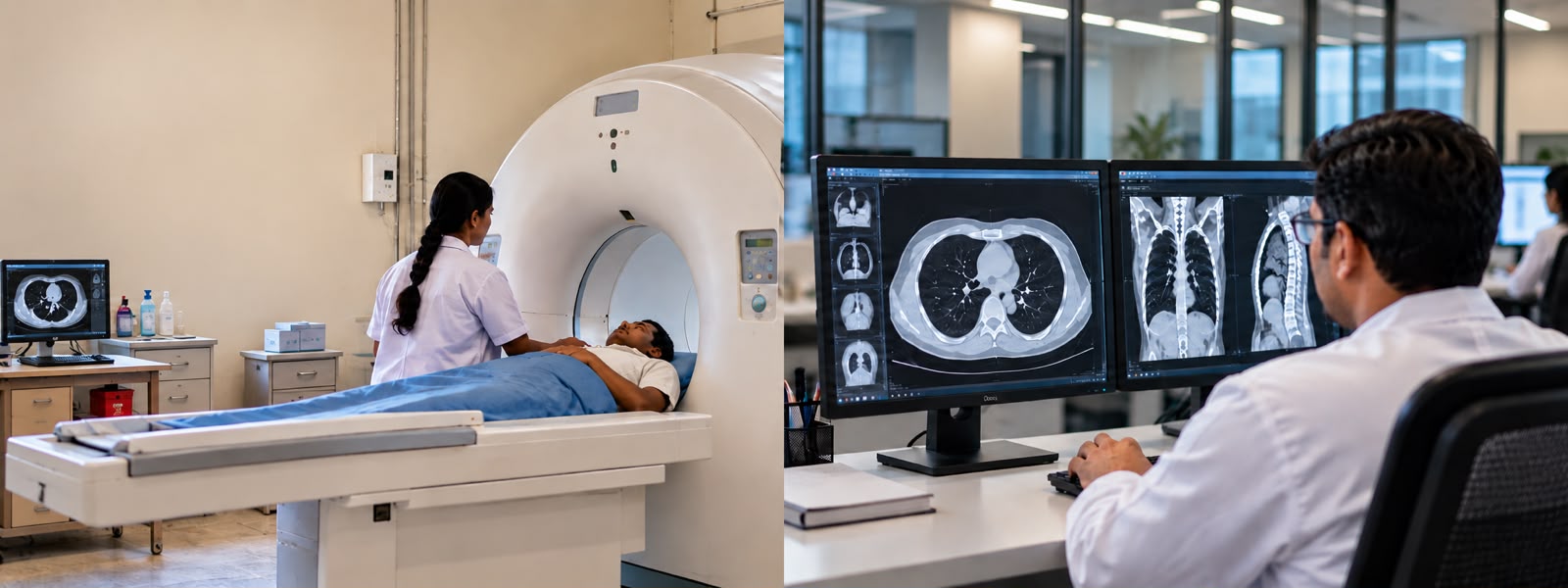
Getting a clear medical scan shouldn’t depend on your zip code, yet for years, expert radiologists worked almost exclusively inside big city hospitals. If you lived out in a remote town, getting a scan read meant waiting days for physical film couriers or taking an exhausting bus ride just to see a specialist.
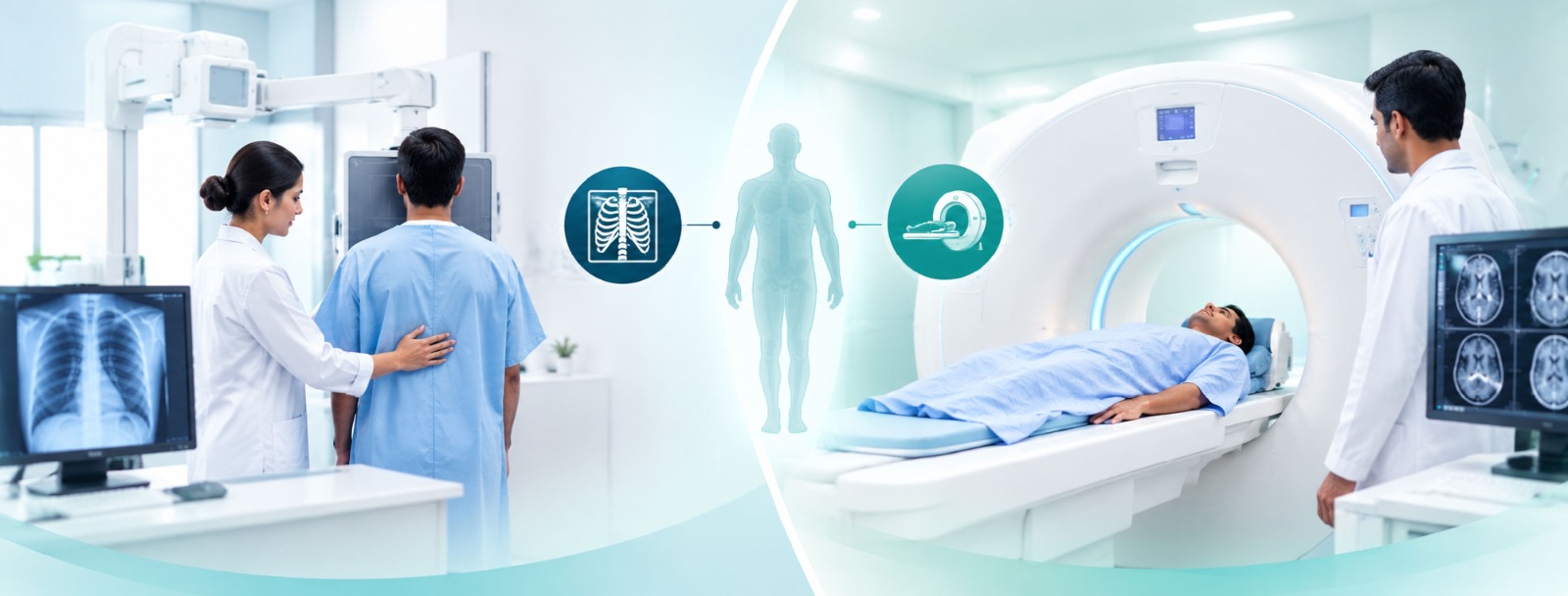
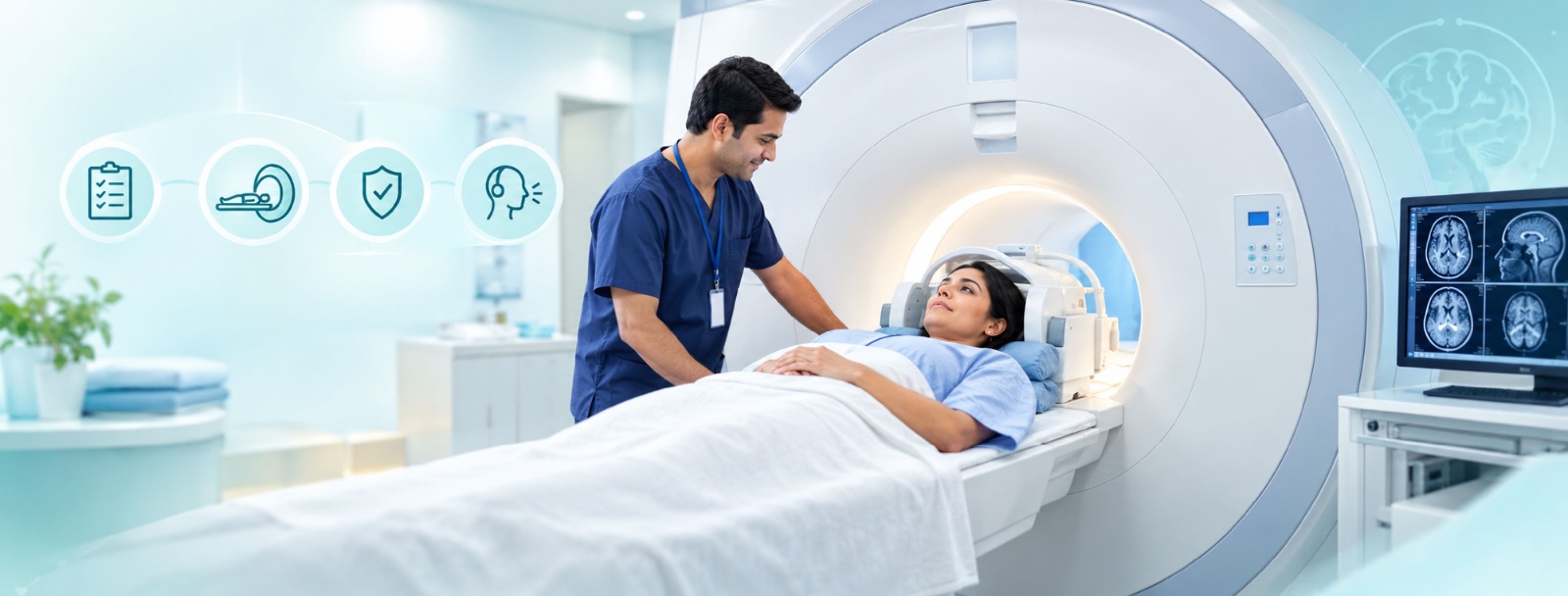
Teleradiology completely changes how that works. By sending digital images over secure networks, rural clinics connect instantly with off-site experts. The biggest win here is speed. When someone walks into a small clinic with an injury, local staff capture the X-ray or CT scan digitally. Instead of waiting for film, they upload the files to a cloud platform. A qualified radiologist reviews the images and sends back a verified report in hours. That quick turnaround lets local doctors start treatment right away.
It also takes a massive load off regional hospitals. Instead of packing patients into ambulances for long transfers to crowded city centres, local clinics handle initial checks safely on site. Beyond speed, teleradiology kills the heavy travel costs and lost work days that families face when they have to travel hours for basic answers. It brings reliable medical help straight to underserved areas.
Emergency care gets a huge lift, too. During late-night trauma cases, having remote access to expert eyes means doctors don’t have to guess or wait until morning. They get accurate readings when every single minute counts. On top of that, rural doctors pick up a lot by reviewing these digital reports alongside specialists, boosting local skills over time. Building this kind of network creates a sturdy safety net, turning quiet clinics into capable hubs of modern healthcare.
Think about what happens when a community invests in this setup. You stop seeing patients abandon vital treatments just because the nearest major hospital is a four-hour drive away. Local clinics turn into active, trusted diagnostic posts where people can walk in, get scanned, and get answers without uprooting their entire week. It changes how entire regions view healthcare, shifting the focus from crisis management to steady, reliable support.
Doctors on the ground also benefit tremendously from this continuous feedback loop. When a local physician routinely collaborates with top-tier specialists on complex scans, they build a sharper eye for early warning signs. That shared knowledge spreads through the clinic naturally, lifting the overall standard of care for everyone in the neighbourhood. Over time, you build a self-sustaining medical community that no longer feels isolated from modern advancements.
Plus, state and local health planners love these digital grids because they make resource tracking much simpler. Instead of buying expensive diagnostic machines for every single village, health boards can pool their funding into high-end regional reading centres while equipping rural posts with reliable capture tools. It is a smart, practical way to stretch limited budgets further while delivering real results for everyday patients.
As digital tools expand, keeping data private and staff trained keeps the system running smoothly. Ultimately, teleradiology makes sure that getting a good medical scan depends strictly on health needs, not distance. When local clinics have direct links to top reading centres, patients get answers faster without leaving home, bringing peace of mind to families who used to struggle alone.