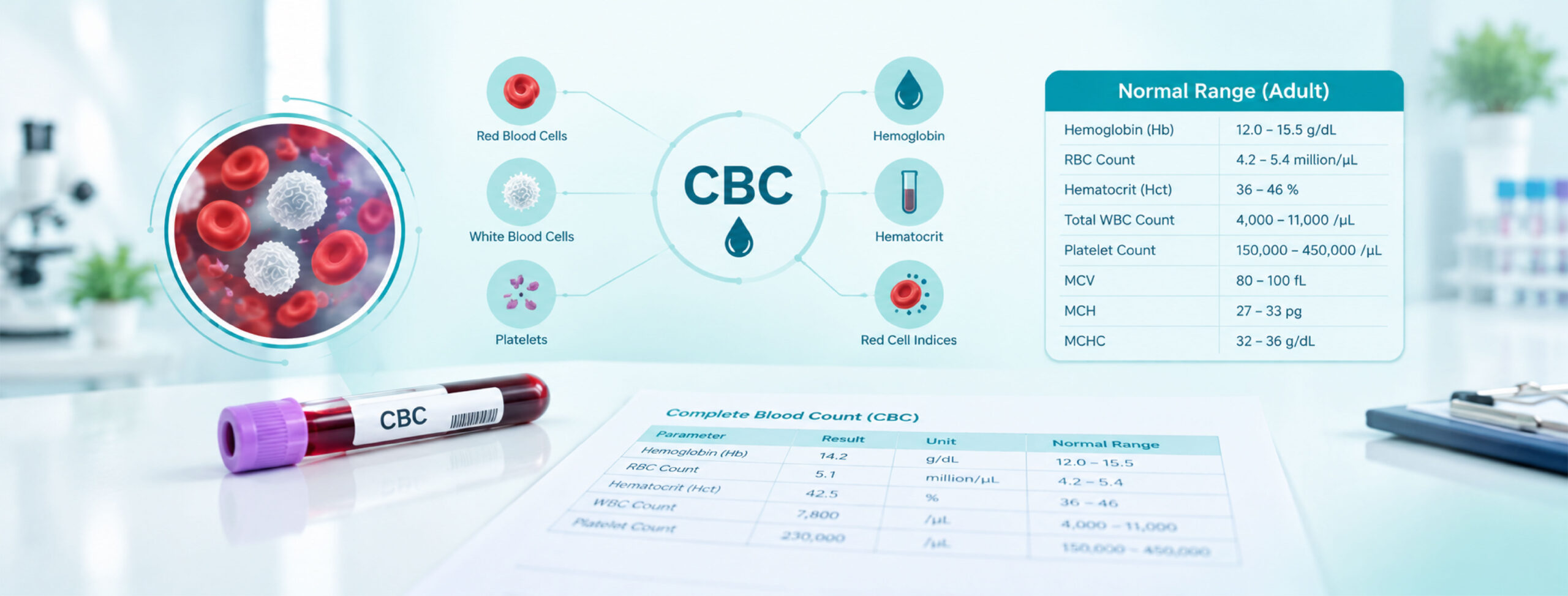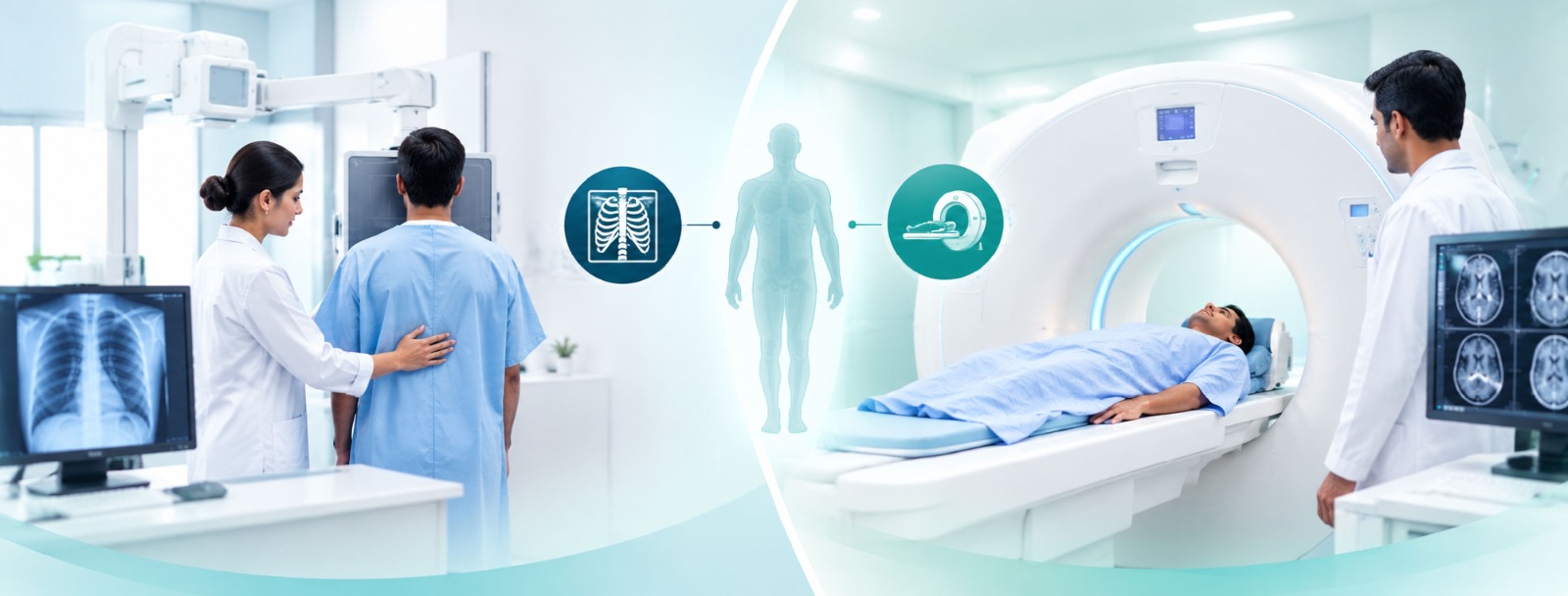
A laboratory result is the outcome of much more than the test performed on an analyser. Before a result reaches the clinician, a sample has already passed through several stages. It must be correctly identified, prepared, tested and matched to the right patient record. In a laboratory handling a high volume of specimens, keeping every one of these steps organised can be a challenge.
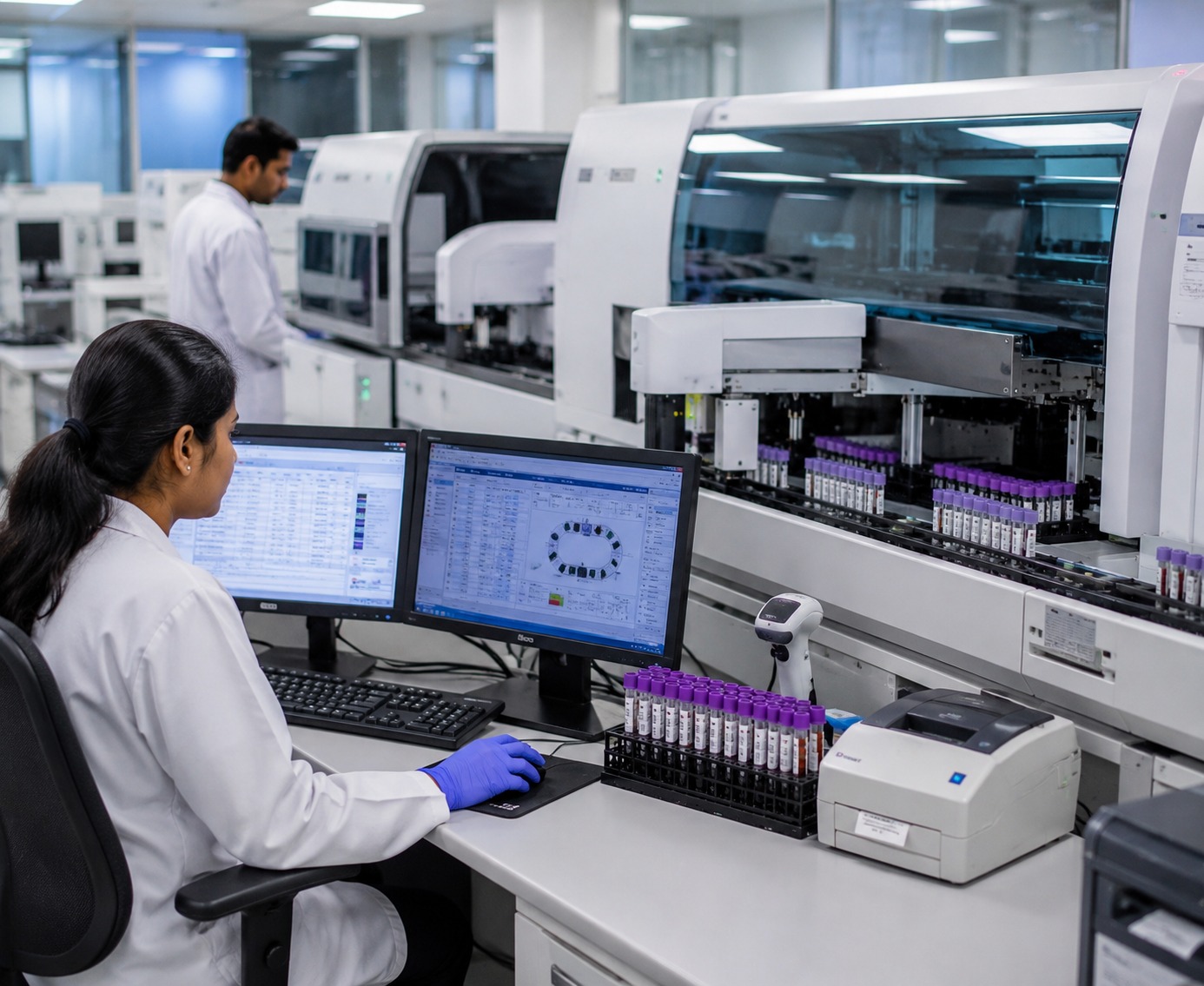
This is where laboratory automation systems are making a difference. Modern diagnostic laboratories use automated equipment to manage several routine activities, from receiving and sorting samples to sending them for analysis. The technology helps create a smoother process while laboratory professionals continue to oversee testing, quality control and result review.
Better control over sample preparation
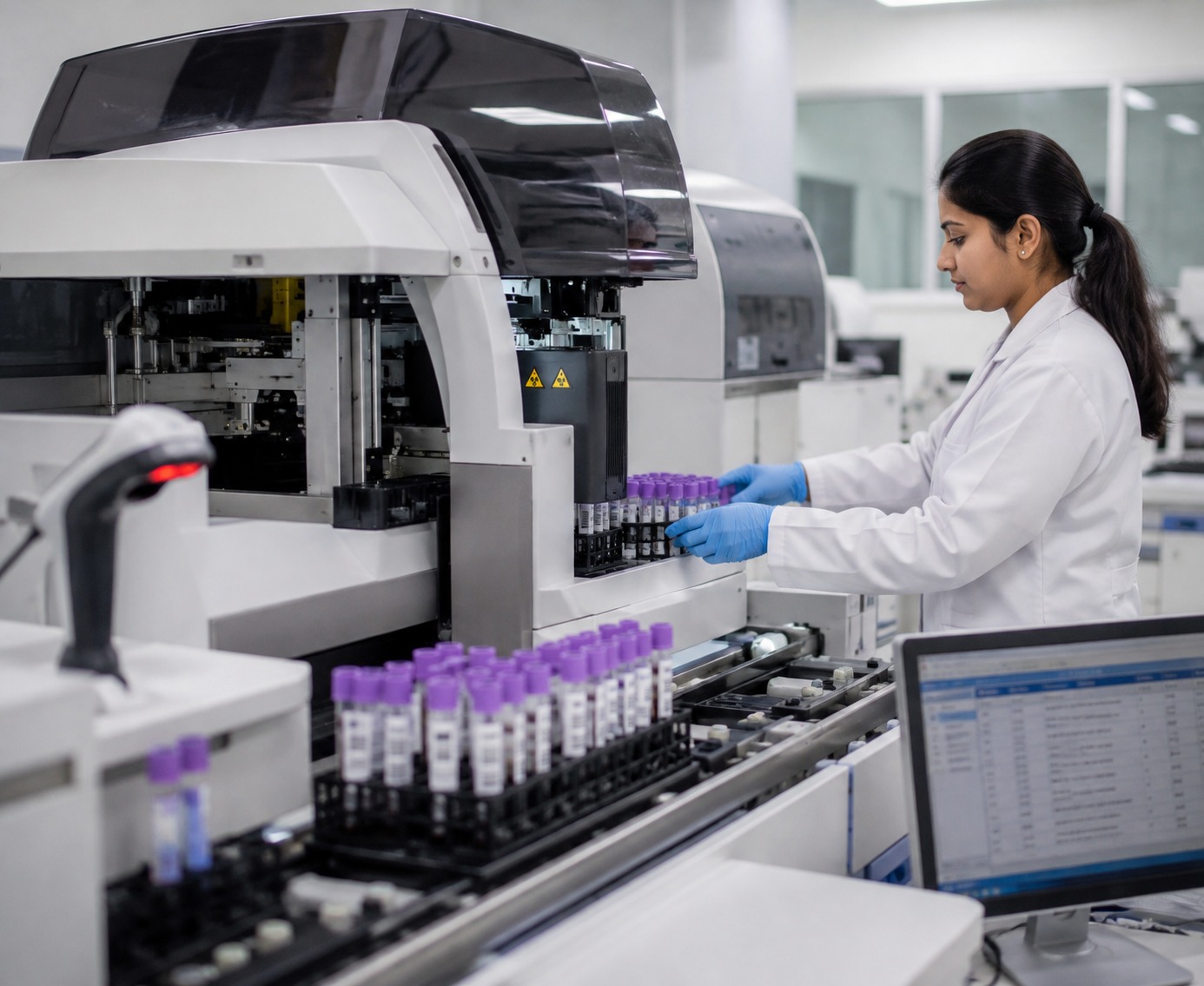
Much of the work in a laboratory happens before a sample is actually tested. Tubes may need to be scanned, sorted, centrifuged and uncapped. When these activities are performed manually throughout the day, they require considerable staff time.
Automated sample-handling systems can take care of many of these steps. Once a tube is identified through its barcode, it can be directed to the appropriate part of the laboratory. Depending on the equipment in use, centrifugation and other preparation steps may also be handled within the automated process.
Apart from saving time, this gives the laboratory better control over sample movement. There is less need to repeatedly pick up, sort and transfer individual tubes. That can reduce opportunities for handling errors and make it easier to trace a sample as it moves through testing.
Consistency matters in diagnostic testing.
The analytical stage brings another benefit. Diagnostic laboratories often use several types of analysers because different tests require different technologies. Chemistry, immunoassay and other investigations may all follow different procedures.
Automation helps direct specimens to the appropriate instrument and supports a standard way of processing them. An analyser works with defined sample and reagent volumes and follows established testing parameters. For a laboratory processing a large number of specimens, repeating these steps consistently is important.
This does not mean the equipment works without supervision. Instruments require calibration, maintenance and quality checks. Results that appear unusual may also need investigation. Automation provides a controlled process, but trained professionals remain responsible for making sure that the process is working as it should.
Information moves along with the sample.
There is another important part of modern laboratory automation that is less visible: software.
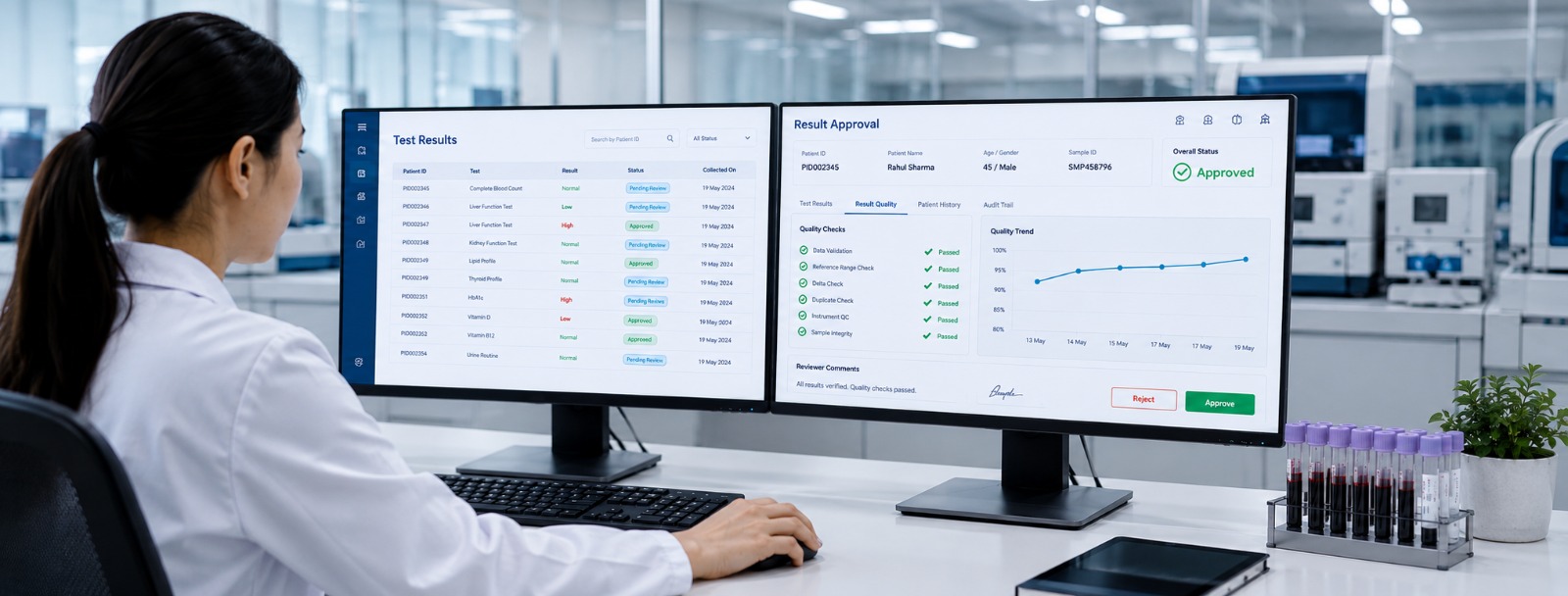
Laboratory information systems can connect test requests with sample identification, instruments and final results. This reduces the need for repeated manual entry and gives staff access to information at different points in the testing process.
Software can also bring attention to results that may require review. If a result falls outside a predefined range or meets a particular laboratory rule, it can be flagged for further examination. The system does not determine what the result means. A trained professional still needs to assess the finding and decide whether any additional action is required.
A stronger laboratory workflow
The real value of automation is not simply faster testing. It is the ability to bring several routine activities into a more controlled process.
For laboratories dealing with increasing workloads, this can make day-to-day operations easier to manage. Staff spend less time on repetitive sample handling and more time on quality checks, troubleshooting and reviewing results that need attention.
As diagnostic testing continues to expand, advanced laboratory automation systems will remain an important part of laboratory operations. Used alongside skilled professionals, appropriate quality controls and well-maintained equipment, automation can support consistent processes and dependable diagnostic results while keeping human judgement at the centre of patient testing.